
“Chitomero” emerges as a striking new entry in Malawi’s growing cinematic landscape, grounded in real social dynamics and emotionally charged narratives that mirror the lived realities of many communities. The director’s reflections reveal a project shaped by the desire to interrogate the silent struggles and unresolved conflicts that define contemporary social life.
From its earliest conception, the film positioned itself as a morally complex inquiry into the intersections of justice, humanity, culture, and personal responsibility. This thematic density is reinforced through deliberate creative processes that involved research, workshops, and extensive consultations, resulting in a screenplay that prioritizes grounded storytelling and character-driven drama.
The production’s insistence on authenticity—through language, cultural cues, rural–urban contrasts, and realistic settings—speaks to a commitment to crafting a narrative that resonates both locally and universally.

Despite operating within the constraints familiar to many Malawian filmmakers, the team employed strategic creativity and collaboration to achieve a work that elevates local technical standards.
As the director explains, “Chitomero” integrates minimalist cinematography, disciplined sound design, and emotional clarity, signaling a shift toward more sophisticated, internationally competitive Malawian filmmaking.
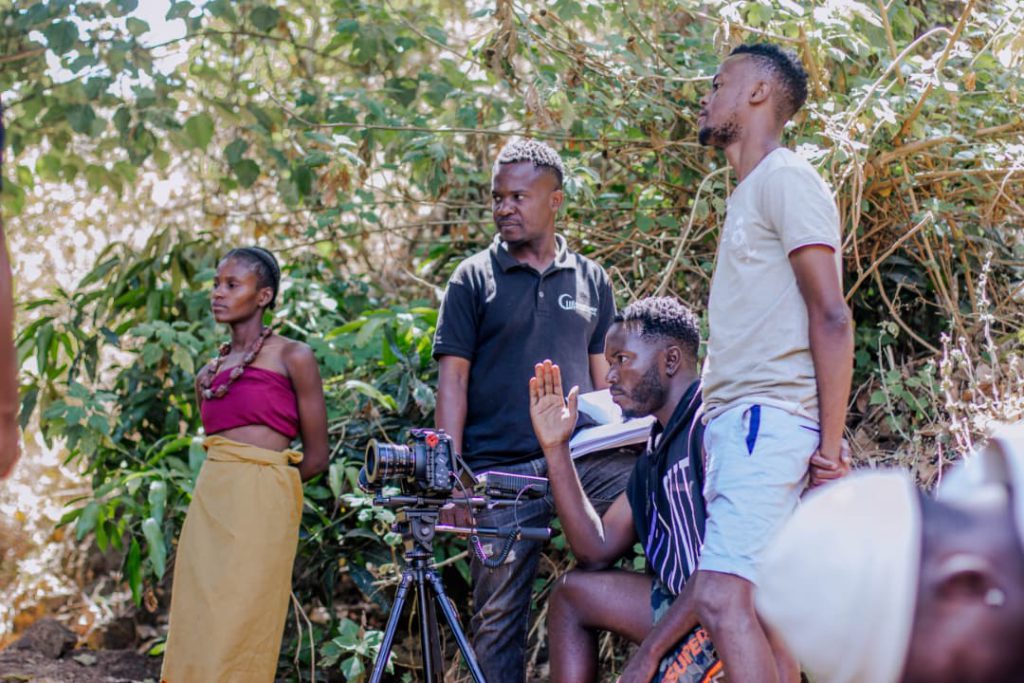
Chitomero’s Director, Romeo Trywell Mdachi at Work
What inspired the story of “Chitomero”, and what central question or social reality were you seeking to interrogate through the film?
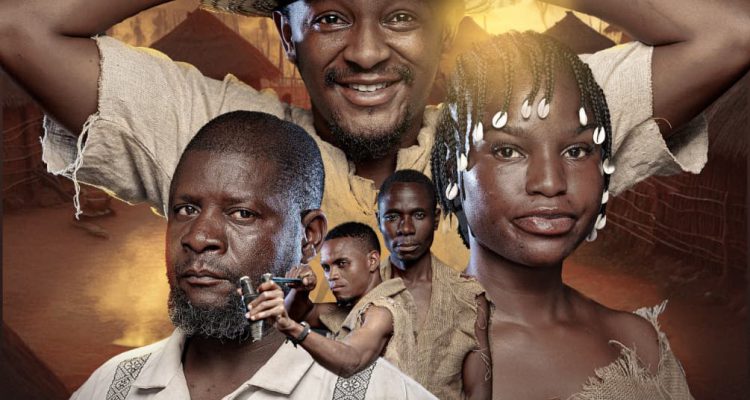
“Chitomero” was inspired by real social dynamics I have observed in our communities, the silent struggles, the unresolved conflicts, and the hidden emotional wounds people carry. I wanted to interrogate how societal pressures, trauma, culture and unspoken truths shape people’s decisions. The film asks an important question: What happens when justice, humanity, culture and personal responsibility collide?
How did the idea evolve from concept to screenplay, and what creative decisions shaped its direction?

The story began as a simple emotional conflict between two families, but it evolved as we explored deeper layers of moral complexity and societal reflection. Through workshops, research, and consultations, the screenplay matured into a more grounded and character-driven narrative. Key creative decisions especially the choice to blend realism with dramatic and cinematic tension shaped the final direction.
What does the title “Chitomero” signify within the narrative and cultural context?

In the Malawian context, “Chitomero” symbolizes the weight of consequence the reckoning that follows every action. Within the narrative, it speaks to both personal accountability and the communal impact of hidden truths.
Which major themes does the film explore, and how are they rooted in Malawian society?
The film explores themes of justice, betrayal, forgiveness, culture and the consequences of silence. These are themes deeply rooted in Malawian society, where family conflicts, community expectations, and moral dilemmas often shape people’s lives.
How does the film engage with Malawian cultural identity?
Read Full Article on Malawi 24
